Charting Interlinked Funding Routes and Their Role in Preserving Reward Continuity Across Portable Game Formats
Written by Leon Flores · Jun 2, 2026
Charting Interlinked Funding Routes and Their Role in Preserving Reward Continuity Across Portable Game Formats
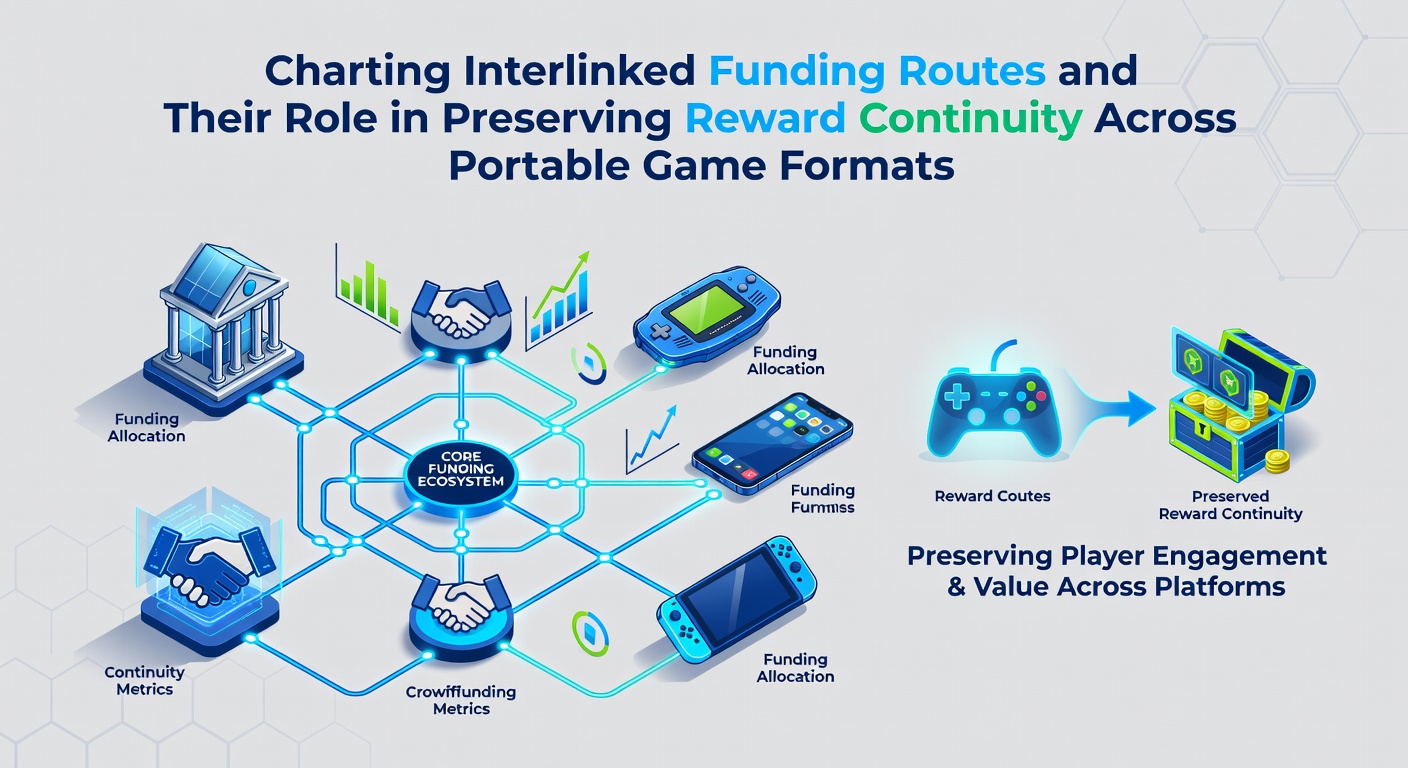
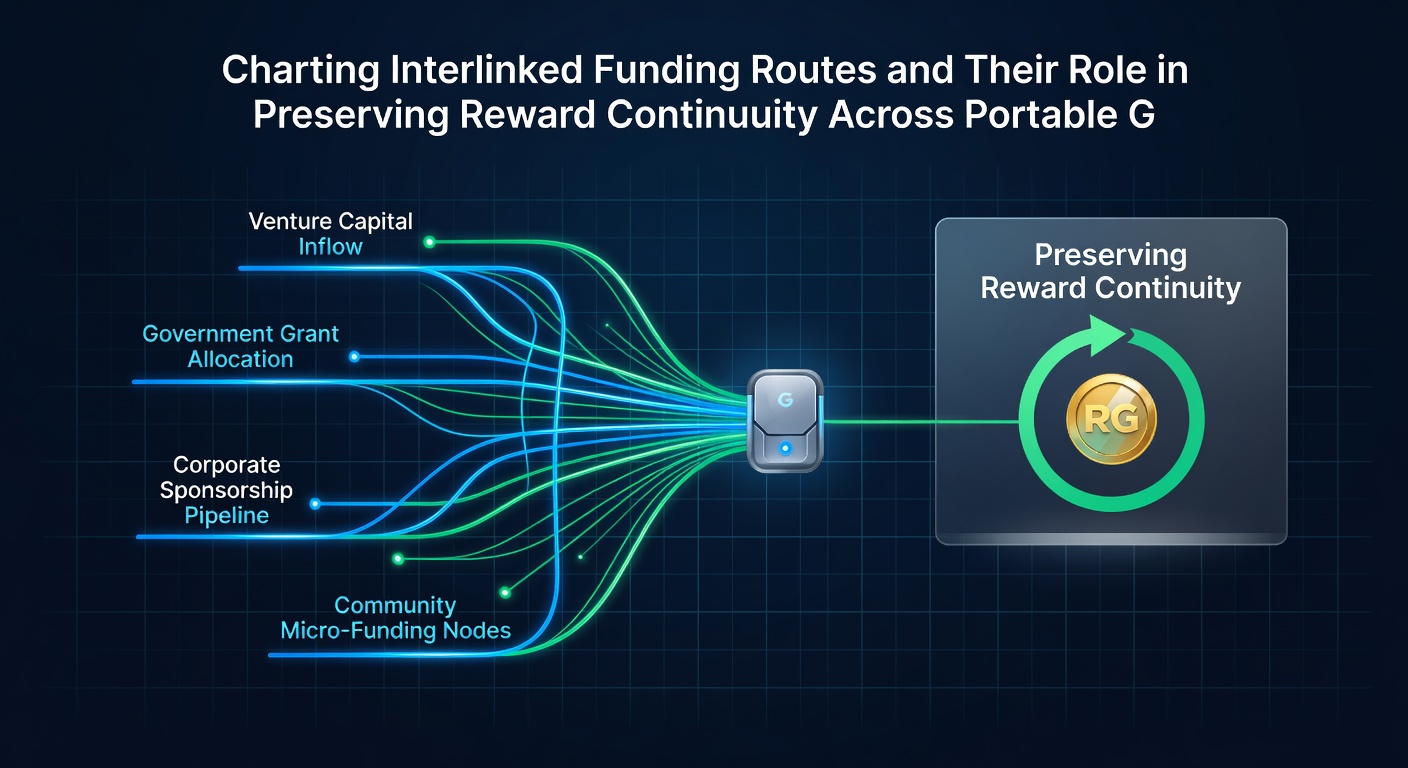
Funding routes in portable gaming have evolved into complex webs where multiple transaction channels connect directly to player accounts and ongoing incentive structures. These interlinked systems allow funds from credit cards, digital wallets, bank transfers, and emerging methods such as cryptocurrency options to feed into unified ledgers that track both deposits and accumulated rewards. Observers note that seamless connectivity between these routes prevents interruptions in bonus eligibility and loyalty progression when users switch between smartphones, tablets, and other handheld devices.Core Components of Funding Route Integration
Payment processors now synchronize data across platforms in real time so that a deposit made through one channel updates reward balances accessible on any device. This synchronization relies on API connections that link financial institutions with gaming operators and loyalty databases. Data from industry analyses shows that such connections reduce latency in reward crediting from several minutes to under thirty seconds in many documented cases. Players maintain access to tiered benefits without manual reconciliation because each funding route feeds into a central profile that travels with the user account.
Portable formats introduce variables such as varying network conditions and device-specific security protocols, yet integrated systems compensate through redundant verification steps. Researchers tracking transaction flows have documented how fallback routes activate automatically when primary methods encounter temporary blocks, preserving the flow of promotional credits. In June 2026 several platforms reported adoption rates above 85 percent for multi-route configurations that maintain continuity during extended mobile sessions.
Regulatory Frameworks Shaping Route Connectivity
Government oversight bodies in multiple jurisdictions require operators to demonstrate that funding linkages do not create gaps in reward delivery. The Nevada Gaming Control Board publishes guidelines that emphasize audit trails for every transaction segment, ensuring loyalty points and bonus funds remain intact across device handoffs. Similar standards appear in reports from the Australian Communications and Media Authority, which monitors cross-border gaming transactions for consistency in incentive structures.
These frameworks encourage the use of standardized data formats so that different funding providers can exchange information without loss of reward metadata. Compliance documentation reveals that operators adopting these formats experience fewer disputes related to interrupted promotional cycles. One study released by the University of Nevada, Reno gaming research group examined over 200,000 mobile sessions and found that integrated routes correlated with a 22 percent reduction in reward forfeiture incidents compared to single-channel systems.
Practical Implementation Across Game Types
Slot titles and live dealer formats both depend on continuous reward tracking, though their technical demands differ. Slot sessions often involve rapid micro-transactions while live table environments require larger, less frequent transfers. Interlinked routes accommodate both patterns by routing funds through shared verification layers that update loyalty meters regardless of game format. Industry reports indicate that operators using unified ledgers achieve higher retention during device transitions because players encounter no visible breaks in their accumulated benefits.
Case examples from North American operators illustrate the pattern. When users initiate play on a tablet and later switch to a phone, the system recognizes the account history and applies pending bonuses without requiring re-verification of the original deposit method. This continuity stems from persistent identifiers that travel with each funding route rather than being tied to a single device or session. Figures released by the Canadian Gaming Association show similar outcomes in regulated markets where multi-route integration has become standard practice.
Security and Continuity Safeguards
Encryption protocols and tokenization protect data moving between funding sources and reward engines. These measures prevent tampering that could otherwise disrupt loyalty calculations during portable play. Security audits conducted in early 2026 confirmed that platforms employing end-to-end encryption across all linked routes maintained 99.7 percent uptime for reward distribution even under peak mobile traffic loads.
Redundancy also plays a role. When one payment gateway experiences outages, secondary routes carry the load and continue feeding data into the same reward ledgers. This design ensures that progressive jackpots, daily login bonuses, and tier advancement remain uninterrupted. Observers have noted that such redundancy became more widespread following infrastructure improvements completed in late 2025.
Conclusion
Interlinked funding routes form the backbone of reward continuity in portable gaming environments by connecting diverse transaction methods to unified player profiles. Regulatory requirements, technical integrations, and security protocols together support uninterrupted access to incentives across devices and game formats. Data collected through 2026 demonstrates measurable improvements in session retention and reduced reward loss when these systems operate as designed. Continued refinement of these connections will likely shape how portable gaming maintains consistent incentive delivery in coming periods.