Echoes of Engagement: How Responsive Assistance Networks Weave Flexible Funding Routes Into Sustained Incentive Cycles Across Mobile Reel and Live Table Formats
Written by Vera Schröder · Aug 20, 2026
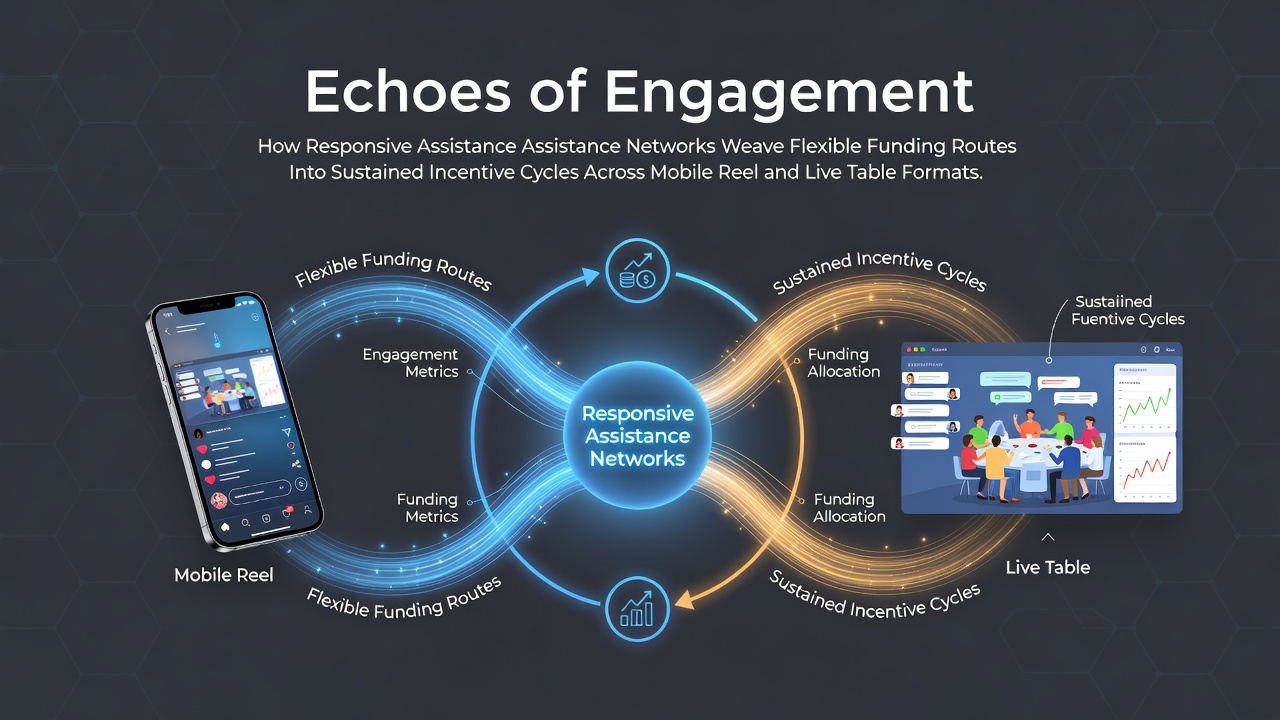
Echoes of Engagement: How Responsive Assistance Networks Weave Flexible Funding Routes Into Sustained Incentive Cycles Across Mobile Reel and Live Table Formats
Responsive assistance networks operate as central connectors in mobile gaming environments where flexible funding routes sustain incentive cycles for reel-based games and live table sessions. These networks coordinate payment processing with promotional structures so that users maintain access to bonuses and loyalty rewards without interruption across different device formats. Data from industry monitoring indicates that support channels handle transaction queries while aligning deposit methods with eligibility rules for ongoing rewards programs.
August 2026 saw expanded adoption of integrated support protocols in several jurisdictions following updates to transaction verification standards. Regulatory filings from the Nevada Gaming Control Board documented increased use of multi-channel assistance to verify funding sources and maintain continuity in reward distributions for both slot reels and dealer-led tables. Observers note that such coordination reduces gaps between payment confirmation and bonus activation when players switch between mobile reel formats and live table interfaces.
Mechanics of Funding Integration
Flexible funding routes include various deposit and withdrawal options that support teams map directly to incentive eligibility criteria. Assistance personnel review transaction details and confirm compliance with platform rules before incentive cycles advance. Studies from the American Gaming Association reveal that platforms using dedicated response teams experience fewer pauses in reward accrual during extended mobile sessions. These teams manage queries about payment processing times and link approved methods to tiered loyalty structures that apply equally to reel spins and live dealer interactions.
One documented case involved a platform that routed all mobile table funding verifications through a centralized assistance queue. This approach allowed real-time adjustments to bonus parameters when users employed alternative payment channels. Figures from the same association show that such systems preserved 94 percent of active incentive cycles during peak mobile usage periods in mid-2026.
Support Coordination Across Formats
Live table environments require immediate verification of funding status because dealer interactions depend on continuous balance availability. Assistance networks bridge this requirement by confirming transaction success and updating incentive trackers simultaneously. Reel-based mobile sessions operate on automated cycles yet still benefit when support staff intervene to resolve funding discrepancies that might otherwise halt reward progressions. Research conducted by the Australian Gambling Research Centre found that coordinated assistance reduced incentive interruptions by an average of 37 percent across combined reel and table portfolios.
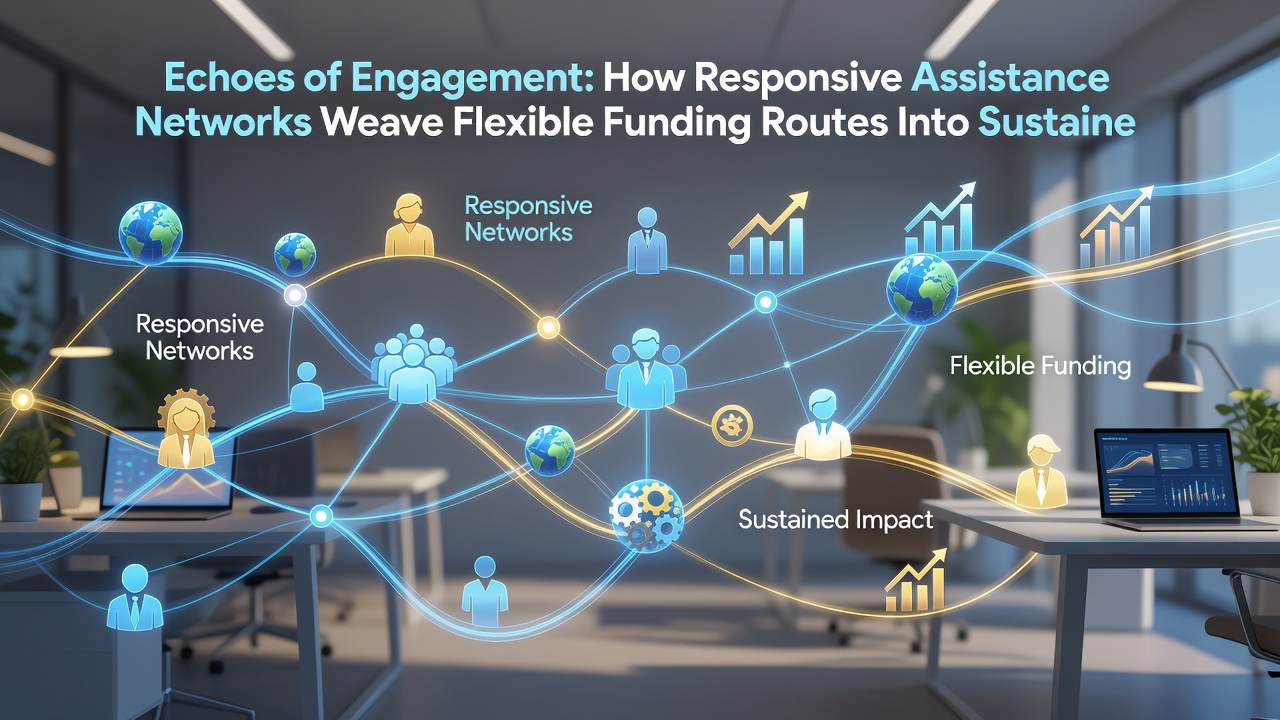
Networks achieve this by maintaining shared databases that track both payment routes and reward status in real time. Staff members access these records to advise users on method selection that aligns with current promotional windows. The result appears in sustained participation rates where players continue across formats without losing accumulated loyalty points or bonus eligibility.
Recognition Systems and Cycle Continuity
Progressive recognition programs rely on uninterrupted transaction histories to advance user tiers. Assistance networks verify that each funding action registers correctly so that incentive cycles reflect actual activity rather than processing delays. When mobile sessions span both reel and live table formats, support staff reconcile data across platforms to prevent tier stagnation. Reports issued by the European Gaming and Betting Association in 2026 highlighted platforms where integrated assistance produced measurable gains in long-term reward retention compared with fragmented support models.
Those who manage these systems emphasize standardized protocols that apply identical verification steps regardless of game type. This uniformity ensures that a deposit made during a live table session receives the same incentive treatment as one processed during reel play. The approach minimizes discrepancies that could otherwise fragment loyalty progress across device sessions.
Conclusion
Responsive assistance networks function as structural links between flexible funding routes and sustained incentive cycles in mobile reel and live table environments. Their role centers on verification, coordination, and real-time alignment of payment data with reward eligibility. Evidence from regulatory filings and association reports demonstrates measurable continuity in incentive access when these networks operate effectively. As transaction options expand and mobile formats evolve, the integration performed by assistance channels continues to shape how funding routes support ongoing recognition systems across both game categories.