Lumbee Tribe Navigates New Terrain Following 2026 Casino Referendum Rejection
Written by Sofia Becker · Jun 30, 2026

Lumbee Tribe Navigates New Terrain Following 2026 Casino Referendum Rejection
The Lumbee Tribe in North Carolina conducted a referendum in June 2026 on a constitutional amendment that would have permitted casino gaming while advancing plans for the Dark Water Resort project, and voters rejected the measure by a margin of 62 percent, which prompted tribal leaders to schedule an emergency meeting focused on governance issues, voting procedures, and alternative economic strategies after the tribe secured federal recognition in late 2025.
Details of the Proposed Amendment adn Development
Under the rejected amendment the tribe would have gained authority to pursue casino operations as part of a larger resort development spanning more than 240 acres along Interstate 95, and the project included a casino alongside a hotel, golf course, and multiple entertainment venues designed to generate revenue streams for tribal programs and community services. Chairman John Lowery stated publicly that gaming initiatives would not return to consideration during his current term, which leaves the future use of the I-95 property open to further internal discussion without immediate pursuit of similar proposals.
Voter Turnout and Outcome Analysis
Ballots cast in the June 2026 referendum showed clear opposition with 62 percent of participants voting against the constitutional change, and tribal officials have since highlighted concerns about access to voting locations as well as broader questions around how governance structures handled the decision-making process leading up to the vote. The emergency meeting now underway addresses these points directly while also examining next steps for economic development initiatives that align with the tribe's newly recognized federal status achieved in late 2025.
Immediate Steps After the Referendum
Tribal leadership responded to the results by convening the emergency session to review both procedural elements of the referendum and potential pathways forward, and participants in those discussions are examining governance frameworks that could support diversified economic projects beyond gaming. Data from the vote indicates sustained interest in revenue-generating opportunities, yet the outcome directs attention toward alternative land-use options for the I-95 corridor property that avoid revisiting casino authorization in the near term.
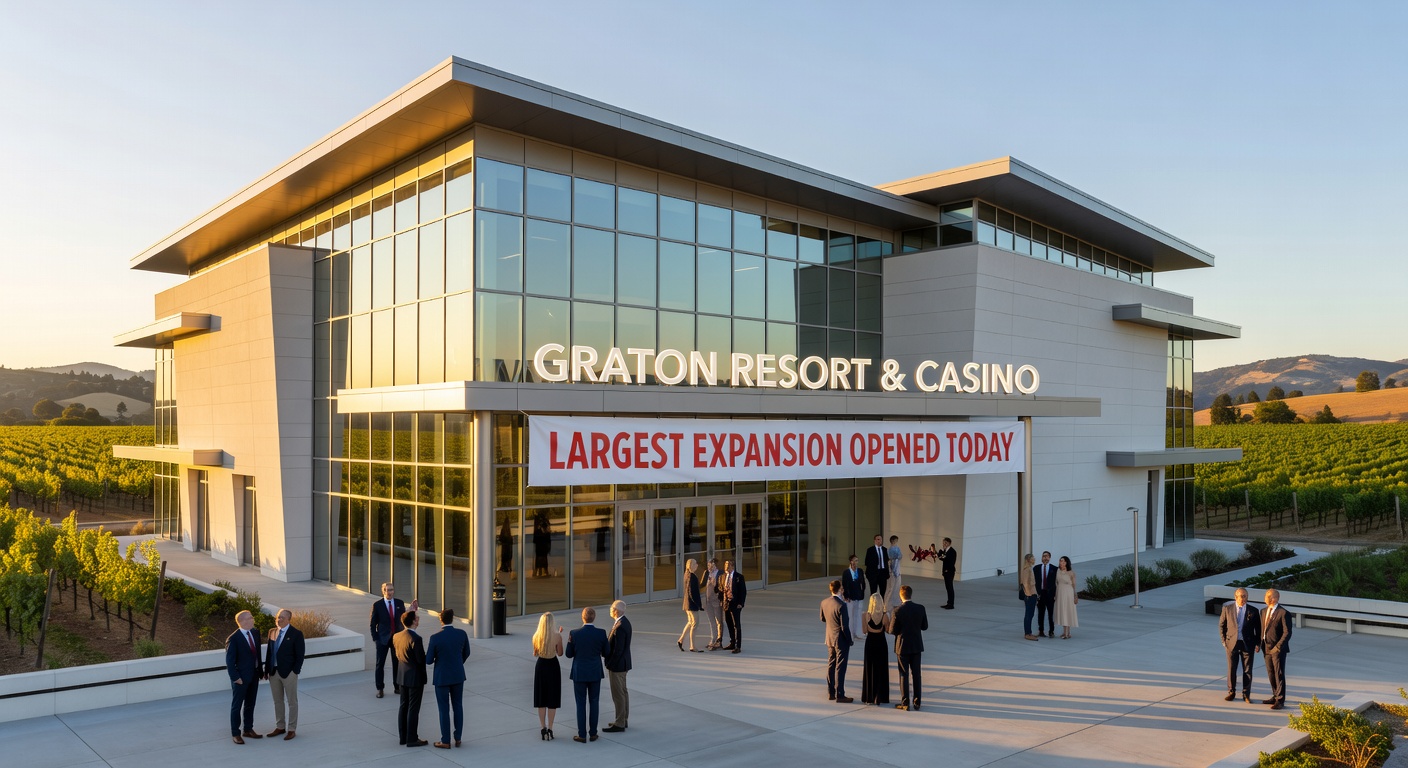
Observers note that federal recognition obtained in late 2025 expanded the tribe's access to certain federal programs and partnerships, which now factor into planning efforts discussed at the meeting, and Chairman Lowery's commitment to exclude gaming topics from his term shapes the scope of options considered during these sessions.
Economic Development Context and Property Considerations
The I-95 property remains a focal point for long-term planning, and tribal representatives have indicated that future decisions about its development will incorporate feedback from the emergency meeting while respecting the referendum outcome that closed the door on casino gaming for the present. Economic strategies under review include potential partnerships with state agencies and regional businesses that could leverage the location's visibility along a major transportation route without relying on gaming revenue.
Those attending the emergency session also addressed voting access challenges raised during the referendum process, and adjustments to future ballot procedures form part of the agenda items aimed at strengthening internal decision-making mechanisms. The combination of these elements creates a framework for evaluating multiple development scenarios that align with tribal priorities established after federal recognition.
Conclusion
The June 2026 referendum results have directed the Lumbee Tribe toward a period of internal review and strategic planning, and the emergency meeting provides a structured opportunity to resolve governance and access concerns while charting economic development routes that do not include casino gaming during Chairman Lowery's term. The status of the I-95 property continues under evaluation as tribal leaders weigh options consistent with the 62 percent voter rejection and the opportunities tied to federal recognition achieved in late 2025, according to reports from Bureau of Indian Affairs updates on tribal matters. This process underscores the tribe's ongoing efforts to balance community input with practical steps for sustainable growth.