Mapping Assistance Pathways to Transaction Reliability in Everyday Mobile Gaming Platforms
Written by Jonas Schulz · Jul 11, 2026
Mapping Assistance Pathways to Transaction Reliability in Everyday Mobile Gaming Platforms
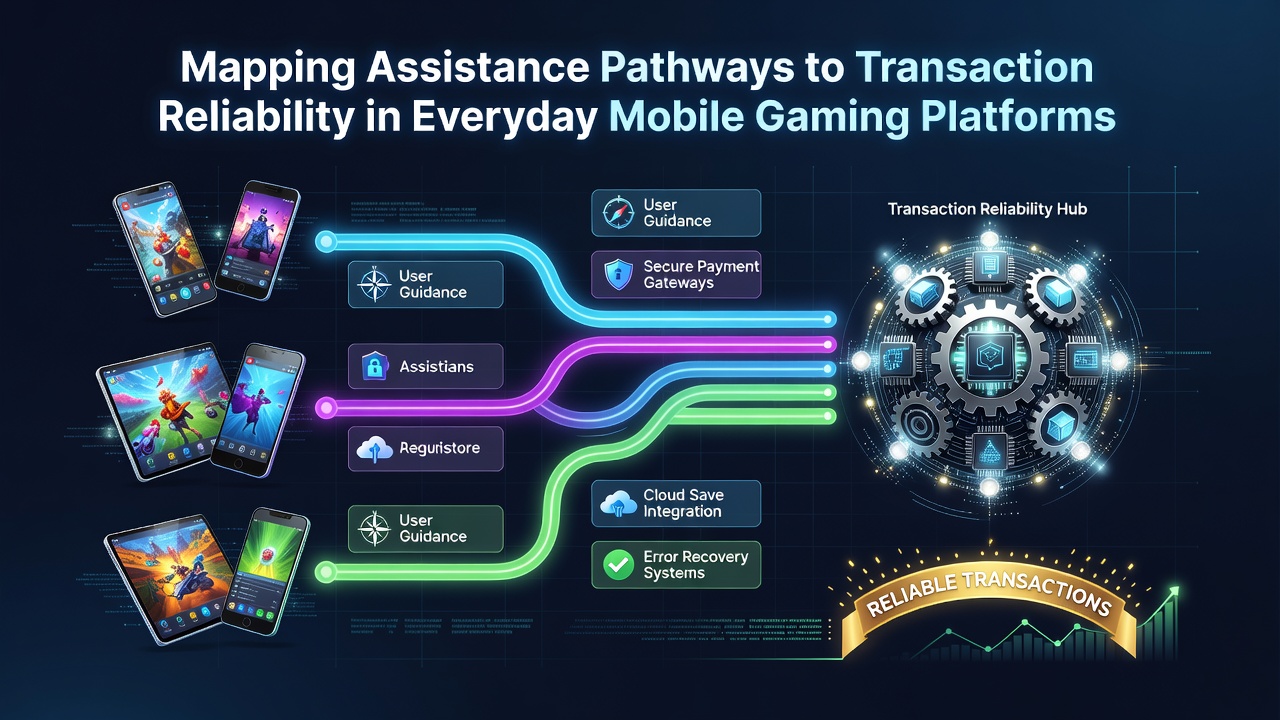
Transaction reliability in mobile gaming platforms depends on structured assistance pathways that connect users with support systems during payment processing and in-app purchases, and these pathways often involve multiple channels including chat interfaces, email ticketing, and automated verification tools that work together to resolve issues before they disrupt play sessions.
Observers note that mobile gaming transactions typically include micro-purchases for virtual items, subscription renewals, and cross-platform transfers, while reliability metrics track completion rates alongside error resolution times across different operating systems and network conditions.
Common Transaction Patterns in Mobile Environments
Data from industry reports shows that users encounter payment interruptions at various stages such as authorization failures, currency conversion delays, and account verification steps, and these interruptions occur more frequently on devices with older operating systems or in regions with variable internet connectivity, according to figures released by the Canadian Interactive Digital Entertainment Association in 2025.
Support networks address these patterns by routing queries through tiered assistance levels where initial automated responses handle basic authentication checks before escalating complex cases to human agents who access transaction logs and device diagnostics in real time.
Structural Elements of Assistance Pathways
Pathway mapping begins with user entry points that include in-app help menus, website portals, and social media integrations, while each entry point feeds into centralized databases that log transaction details alongside user history to enable faster matching of problems with known solutions, and this structure allows platforms to maintain continuity across sessions even when payments involve third-party processors.
Researchers at institutions studying digital economies have documented how integrated ticketing systems reduce average resolution times by linking payment gateways directly to support dashboards, and such linkages prove especially useful during high-volume periods like seasonal updates or new content releases.
Regional Regulatory Influences on Reliability Standards
Government agencies across different jurisdictions establish baseline requirements for transaction transparency and dispute handling in digital entertainment, and these rules shape how platforms design their assistance flows to meet compliance thresholds without interrupting user access to ongoing games.
A report from the Australian Competition and Consumer Commission highlights specific guidelines on refund processing timelines that influence how mobile gaming services configure their support escalation protocols, while platforms operating in multiple markets adapt these requirements into unified systems that accommodate varying local standards.
Platforms often incorporate feedback loops where resolved transaction cases update automated response templates, which in turn improves first-contact resolution rates over successive quarters, and analysts track these improvements through metrics shared in quarterly industry briefings.
Integration of Technology in Pathway Design
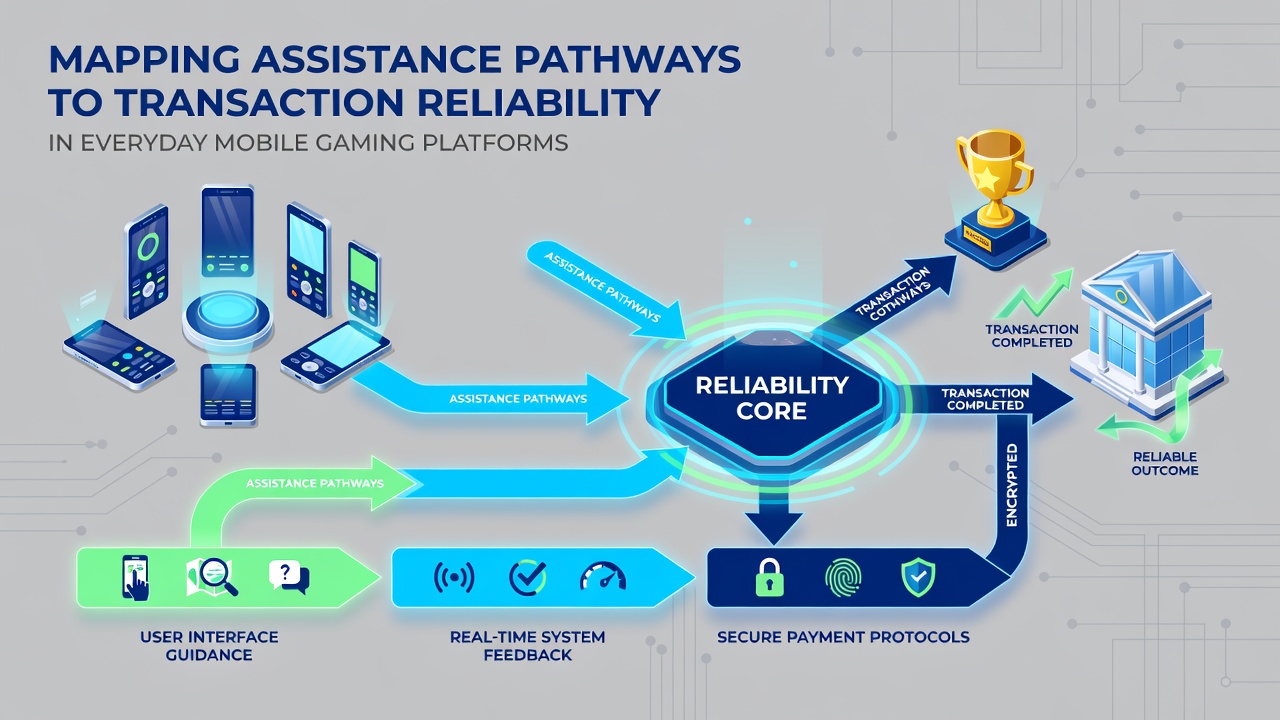
Artificial intelligence tools scan incoming support requests for keywords related to payment codes or error messages, then direct users toward self-service options such as receipt uploads or device compatibility checks before involving live representatives, and this layered approach conserves human resources for cases that require manual intervention like disputed charges spanning multiple billing cycles.
July 2026 saw several platforms roll out enhanced verification bridges that combine biometric confirmation with transaction history reviews, and these updates emerged in response to evolving consumer protection expectations across Asia-Pacific markets where mobile gaming participation continues to expand rapidly.
Case documentation from service providers reveals that users who engage assistance pathways early in a transaction issue experience higher completion rates for their original purchases compared with those who attempt repeated self-corrections without support contact.
Measurement and Continuous Improvement Cycles
Performance indicators for assistance pathways include average response latency, successful resolution percentages, and post-resolution satisfaction scores gathered through follow-up surveys, while platforms compare these indicators against benchmarks set by peer organizations to identify gaps in coverage across different device types and payment methods.
Updates to pathway mapping often occur after analyzing aggregated anonymized data from millions of sessions, and adjustments focus on streamlining transitions between automated and human-assisted stages to minimize user friction during payment recoveries.
Conclusion
Mapping assistance pathways to transaction reliability involves coordinated efforts across technology, regulatory compliance, and operational procedures that together sustain consistent access to mobile gaming features, and ongoing refinements based on usage data continue to shape how these systems evolve in response to changing device ecosystems and payment landscapes.