Navigating Interlinked Transaction Webs That Maintain Incentive Continuity Across Portable Reel Spins and Real-Time Dealer Interactions with Progressive Recognition Layers
Written by Sage Bennett · Jun 23, 2026
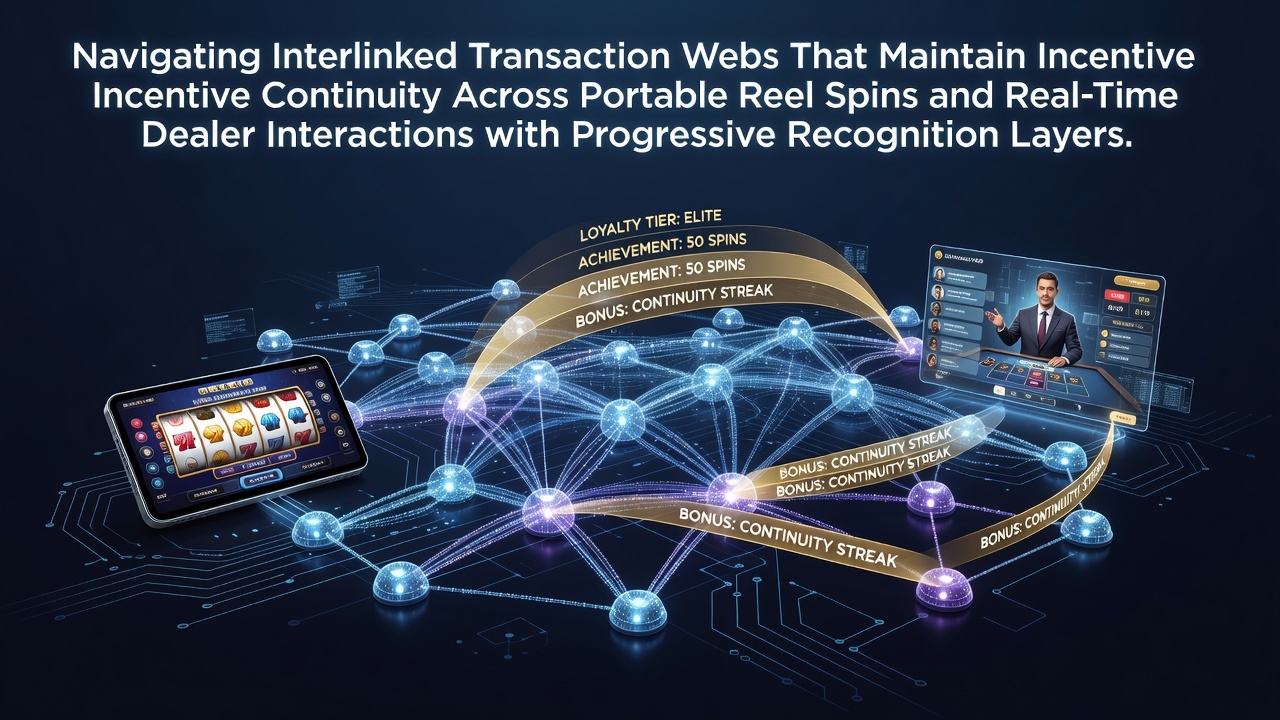
Navigating Interlinked Transaction Webs That Maintain Incentive Continuity Across Portable Reel Spins and Real-Time Dealer Interactions with Progressive Recognition Layers
Interlinked transaction webs operate through multiple payment gateways that synchronize player accounts across mobile platforms, ensuring bonus eligibility remains intact when users move between portable reel spins and live dealer tables while progressive recognition layers track ongoing activity levels. These systems rely on centralized ledgers that update in real time, so deposits processed through one channel automatically reflect in loyalty metrics regardless of whether the session involves slot mechanics or table interactions. Data from June 2026 shows increased adoption of such integrated networks in regulated markets, where operators connect banking partners directly to gaming servers to reduce latency between funding actions and reward accruals.
Core Components of Transaction Integration
Payment processors link to player databases via APIs that flag eligible transactions for bonus continuation, and this setup allows funds moved through various methods to maintain promotional status during transitions from reel-based play to dealer-led rounds. Recognition layers accumulate points based on wager volume and session duration, yet they require uninterrupted transaction trails so that partial withdrawals or mid-session deposits do not reset accumulated tiers. Observers note that operators achieve this by embedding verification protocols at each gateway junction, which cross-reference account histories before approving further play.
Handling Portable Reel Spins and Dealer Sessions
Portable reel spins generate frequent micro-transactions that feed into the same recognition frameworks used for extended dealer interactions, creating unified progress tracking across both formats. When a player initiates a live table session after a series of mobile spins, the system pulls prior transaction data to confirm ongoing incentive eligibility without requiring separate verification steps. Research indicates that these connections rely on timestamped ledgers which log every funding event, thereby preserving continuity even when device switches occur mid-session or when users alternate between game types within short timeframes.
Progressive Recognition Layer Mechanics
Progressive recognition operates by layering multiple status levels that advance according to cumulative spend and play patterns, and transaction webs ensure these layers receive consistent updates from all connected payment sources. A deposit completed through one provider registers instantly within the recognition database, allowing the player to retain tier benefits while engaging real-time dealer interactions or resuming reel activity later. Figures from industry reports reveal that platforms implementing these layered systems record higher retention rates because incentive flows remain active despite varied transaction routes or session interruptions.
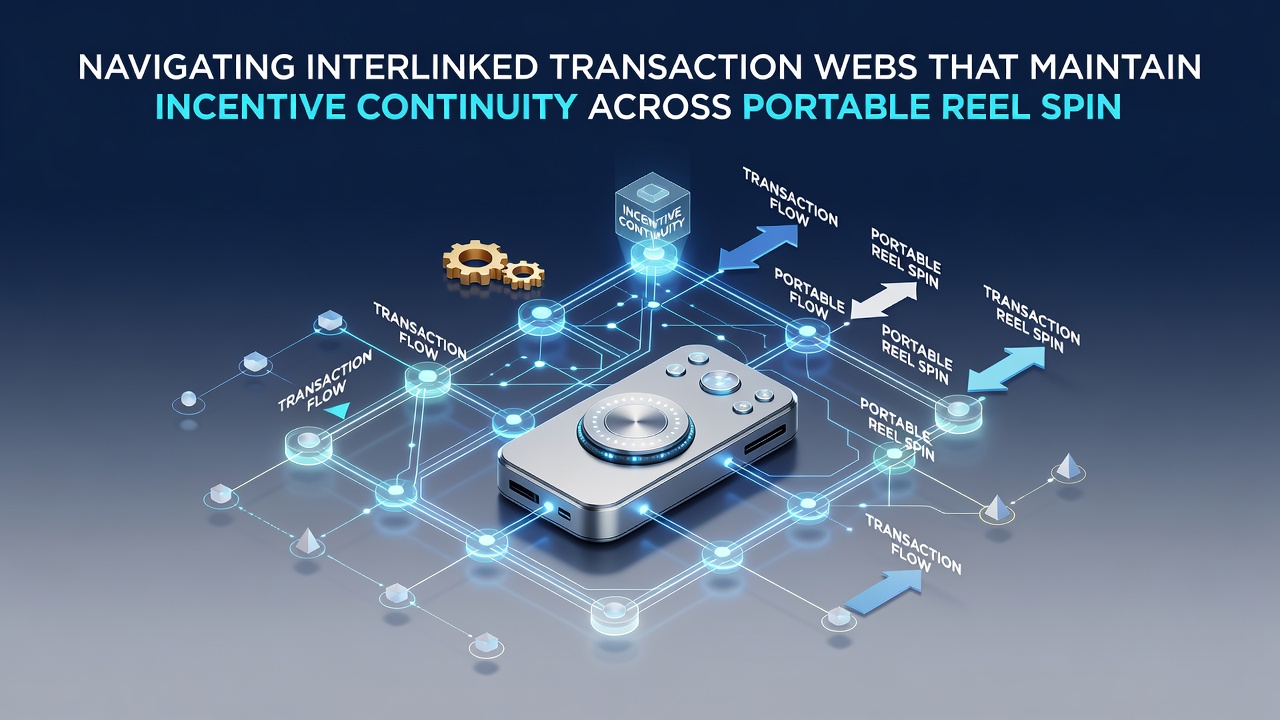
Support channels further reinforce this continuity by routing queries about transaction status directly to the integrated ledger, which resolves discrepancies before they affect recognition progress. Operators configure these channels to flag potential breaks in the transaction chain, prompting automatic reconciliation that restores eligibility for pending bonuses tied to either reel spins or dealer rounds.
Regulatory Context in Mid-2026
By June 2026 several jurisdictions had updated compliance requirements around transaction traceability, requiring operators to demonstrate that interlinked webs maintain clear audit trails for all incentive movements across game formats. These rules emphasize the need for real-time synchronization between payment processors and recognition systems, particularly when players engage mobile slots followed by live dealer tables. According to iGaming Ontario documentation, updated standards mandate that recognition layers receive verified transaction data within specified intervals to prevent unintended resets of player status during cross-format sessions.
Additional oversight from regional bodies has prompted operators to adopt redundant gateway connections that keep incentive flows stable even during temporary processor outages. This approach supports continuous tracking of both reel-based wagers and dealer interaction volumes, ensuring progressive layers advance without gaps caused by isolated transaction failures.
Practical Navigation for Players and Systems
Players navigate these webs by selecting payment options already mapped to the operator's recognition infrastructure, which automatically routes data to the appropriate loyalty layers. Systems flag eligible transactions at the point of processing, so subsequent activity in portable reels or real-time dealer environments inherits the same incentive parameters without manual intervention. Studies from gaming research institutions show that clear mapping of transaction routes reduces instances where recognition progress stalls due to mismatched funding sources.
Operators maintain these connections through ongoing audits that verify synchronization between all linked processors and the central recognition database. Such audits confirm that bonus continuity persists across session types, allowing seamless shifts from reel spins to dealer interactions while status levels continue to build based on total activity rather than isolated game segments.
Conclusion
Transaction webs that connect payment gateways to progressive recognition systems enable sustained incentive access across portable reel spins and live dealer sessions by maintaining synchronized account data and verified transaction histories. As of June 2026, regulatory emphasis on traceability has reinforced the importance of these integrations, which support consistent loyalty progression regardless of game format or device used. Operators continue to refine these networks to meet compliance standards while preserving uninterrupted reward flows for users who alternate between different gaming experiences.