Regulatory Evolution Shaping Transaction Security for Sustained Loyalty Structures in Portable Gaming Formats
Written by Sofia Becker · Jul 2, 2026
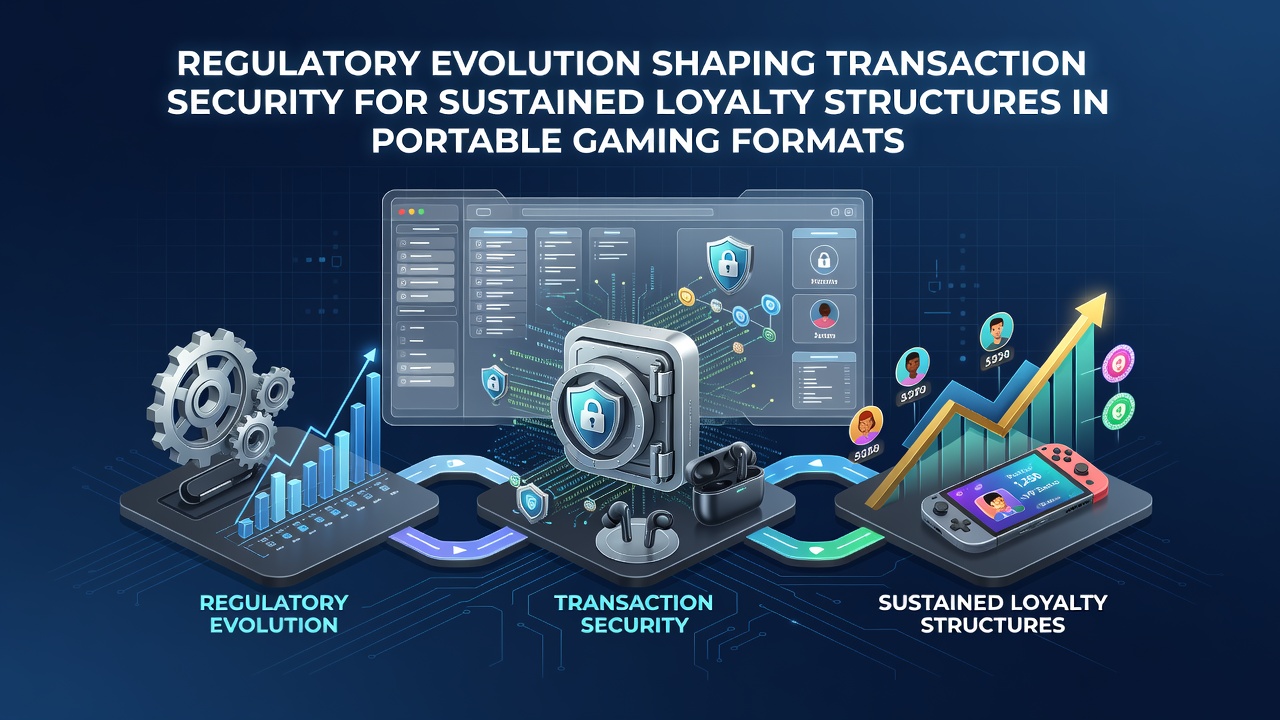
Regulatory Evolution Shaping Transaction Security for Sustained Loyalty Structures in Portable Gaming Formats
Regulatory frameworks across multiple jurisdictions have adapted over the past decade to address security requirements in mobile gaming environments, and these adjustments directly influence how transaction systems support ongoing loyalty programs in portable formats. Data from industry reports shows that portable gaming now accounts for over 60 percent of total player engagement in regulated markets, which pushes authorities to refine rules around payment verification and data protection.
Early mobile gaming regulations focused primarily on licensing operators, yet recent updates emphasize encryption standards and real-time monitoring for transactions that feed into loyalty tracking systems. Those who've studied these shifts note that compliance requirements often mandate multi-factor authentication, which in turn reduces friction in reward accumulation by verifying player identities more reliably during each session.
Historical Shifts in Oversight and Their Effects on Mobile Transactions
Initial rules in places like Nevada and New Jersey established basic standards for online platforms, but portable formats introduced new variables around device-based payments and cross-border data flows. Research indicates that by 2023 several regions had begun requiring operators to integrate secure APIs that link directly to loyalty databases, ensuring points and bonuses remain intact even when players switch between devices mid-session.
And observers have tracked how these changes align with broader data protection laws, which demand that transaction records stay encrypted while still allowing seamless transfers to recognition programs. This balance matters because loyalty structures rely on continuous, verifiable activity logs that regulators now audit more frequently.
Security Protocols and Their Connection to Loyalty Continuity
Modern regulations often specify standards for tokenization and blockchain-assisted verification in gaming transactions, and these tools help maintain uninterrupted progress through tiered reward systems on mobile apps. Figures reveal that operators adopting such protocols experience fewer disputes over bonus eligibility, since each deposit or withdrawal carries tamper-proof timestamps that align with loyalty tracking software.
Take one regulatory update in Australia where authorities required enhanced fraud detection layers for portable casino applications; compliance led to automated systems that flag suspicious patterns without pausing reward calculations. Those systems demonstrate how security measures can sustain rather than interrupt player engagement across extended handheld sessions.

Regional Approaches Emerging Around July 2026
As of July 2026, several oversight bodies continue refining guidelines that tie transaction security directly to the preservation of promotional incentives in portable formats. European regulators, for instance, have coordinated on shared standards for payment service providers that serve mobile gaming operators, which helps loyalty points transfer reliably when players move between jurisdictions.
Meanwhile, Canadian provincial frameworks emphasize audit trails for every mobile transaction that contributes to VIP progress, and industry organizations such as the Canadian Gaming Association have published summaries showing reduced chargeback rates after these rules took effect. Such outcomes illustrate how evolving security expectations support sustained recognition cycles without requiring players to restart their progress.
Integration of Support Systems with Regulatory Demands
Regulatory evolution has also prompted operators to embed responsive assistance channels that verify transactions while guiding players through loyalty milestones on mobile devices. Research from academic sources like the University of Nevada, Reno gaming studies department highlights that integrated help features reduce drop-off rates during verification steps, thereby keeping reward flows steady.
Portable formats benefit especially because device notifications can prompt users to complete security checks quickly, and this keeps session data feeding into loyalty algorithms without gaps. Experts have observed that regions enforcing these combined security-and-support standards report higher retention figures in mobile segments compared with markets that lag behind.
Conclusion
Overall, the progression of regulations continues to shape transaction security measures that underpin loyalty structures in portable gaming, and available data points to measurable improvements in continuity and player trust. Jurisdictions adopting coordinated, technology-driven rules demonstrate how these frameworks can align operational needs wth sustained reward systems across handheld platforms.