SkyCity Entertainment Group Posts FY26 Earnings with Revenue Rise but Sharper Profit Drop
Written by Vera Schröder · Aug 20, 2026
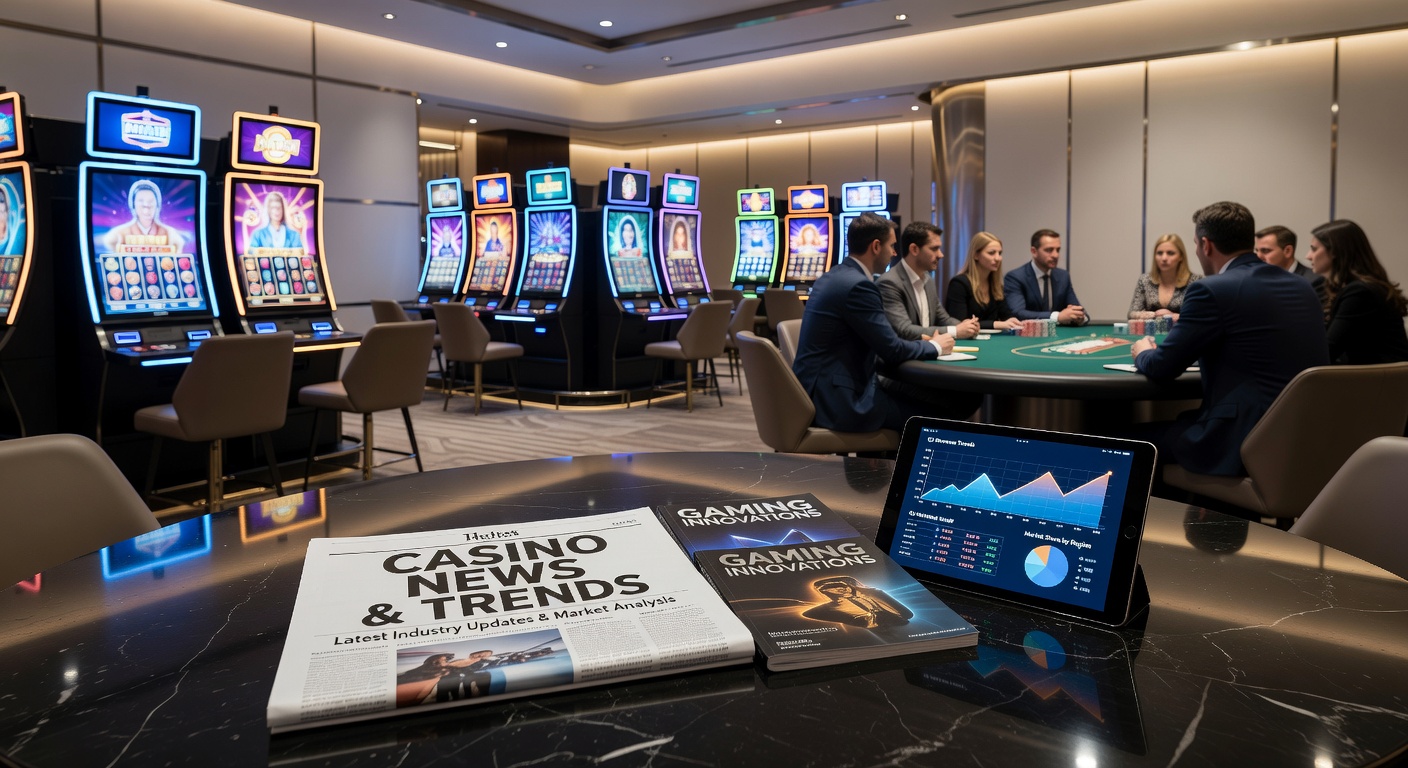
SkyCity Entertainment Group Posts FY26 Earnings with Revenue Rise but Sharper Profit Drop
Data from the year ended 30 June 2026 shows SkyCity Entertainment Group recorded net profit after tax of NZ$18.2 million, a 37.6% decline from the prior year, while EBITDA fell 44.2% to NZ$120.5 million; revenue meanwhile climbed 6.5% to NZ$878.9 million even as gaming income faced pressure from several operational changes.
Figures released in August 2026 detail how mandatory carded play, introduced across properties during the period, contributed to softer gaming revenues alongside weaker visitation numbers and elevated operating expenses tied to the opening of the New Zealand International Convention Centre.
Key Financial Metrics for the Full Year
Net profit after tax landed at NZ$18.2 million against the previous corresponding period, producing the 37.6% year-on-year contraction, while EBITDA of NZ$120.5 million marked the 44.2% reduction; revenue growth to NZ$878.9 million came despite those headwinds and reflected contributions from non-gaming segments that partially offset declines in core machine and table play.
Observers tracking the results note the contrast between top-line expansion and bottom-line compression stems directly from higher costs associated with NZICC operations plus external influences such as reduced international arrivals linked to the Middle East conflict; those elements combined to compress margins even as overall sales advanced.
Impact of Mandatory Carded Play on Gaming Operations
Rollout of mandatory carded play altered player behaviour and revenue patterns throughout FY26, with data indicating lower volumes on both slots and tables once identification requirements took effect; the policy change aimed at regulatory compliance and harm minimisation produced measurable shifts in visitation frequency and average spend per visit.
Management commentary attached to the earnings report highlights how the transition period created friction for some regular patrons, leading to temporary dips in activity that compounded the effects of already soft domestic and inbound tourism numbers.
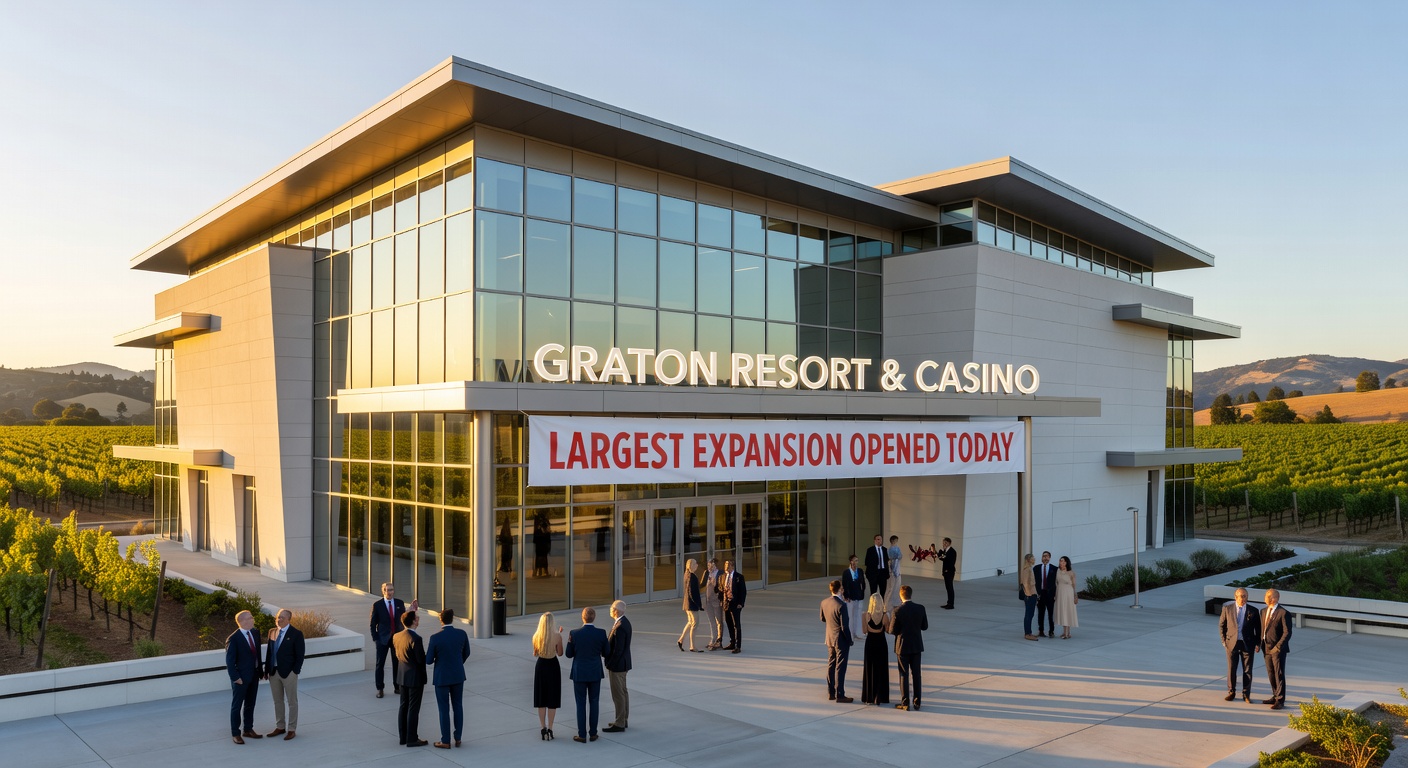
Cost Increases Linked to NZICC Opening and Broader Operations
Opening of the New Zealand International Convention Centre added fixed and variable expenses across staffing, maintenance and utilities that weighed on group profitability; these incremental outlays occurred against a backdrop of broader inflationary pressures on wages and supplies that affected all operating segments.
Analysts reviewing the filings point out that the NZICC investment, while positioned for long-term revenue diversification through events and accommodation packages, required an initial ramp-up phase that lifted the cost base faster than associated income streams could materialise during the first full year of operations.
External Factors and Visitation Trends
Regional tensions in the Middle East contributed to reduced flight availability and higher travel costs for key source markets, resulting in fewer international visitors at SkyCity properties; domestic visitation also softened as cost-of-living pressures influenced discretionary spending on entertainment and gaming.
Company disclosures connect these macro conditions to the observed revenue mix, where non-gaming activities such as hotel stays and food and beverage provided the primary lift to the 6.5% top-line increase while gaming revenues contracted in absolute terms.
Segment Performance Overview
International business units displayed varied outcomes, with Auckland remaining the largest contributor yet experiencing the most pronounced impact from carded-play adjustments; Hamilton and Queenstown sites recorded comparatively steadier results, although each still reflected higher cost ratios tied to group-wide initiatives.
Digital and online channels continued to expand their share of total activity, partially mitigating physical property softness, yet the overall EBITDA margin compression illustrated how fixed-cost absorption challenges persisted across the portfolio.
Conclusion
The FY26 results encapsulate a period of structural adjustment for SkyCity Entertainment Group, where regulatory-driven changes and major capital projects coincided with external demand shocks; revenue expansion demonstrates underlying demand for the broader entertainment offering, while profit and EBITDA declines underscore the near-term margin effects of those same developments.
Further details appear in the full earnings report lodged with NZX and ASX, providing segment breakdowns and forward-looking statements that stakeholders continue to examine.